The 10-year Treasury is back above 4% — and Washington should be nervous.

As of mid-March 2026, the 10-year yield is hovering around 4.1%–4.2%. That’s not a crisis number. But it’s not benign either. It’s a message. And the message is this: the bond market doesn’t fully trust that inflation is dead or that America’s fiscal house is in order.

Let’s unpack what’s driving it.

Inflation isn’t raging, but it isn’t gone. February CPI came in around 2.4% year over year — close to the Fed’s target, sure. But oil prices are climbing again thanks to fresh Middle East tensions. Energy spikes have a nasty habit of spreading. Bond investors see that and demand compensation.

At the same time, the labor market just flashed a warning sign. The U.S. lost roughly 92,000 jobs in February, and unemployment ticked up to about 4.4%. Normally, weaker jobs data would pull yields down as recession fears rise. And for a moment, it did. But inflation anxiety is canceling out that relief.

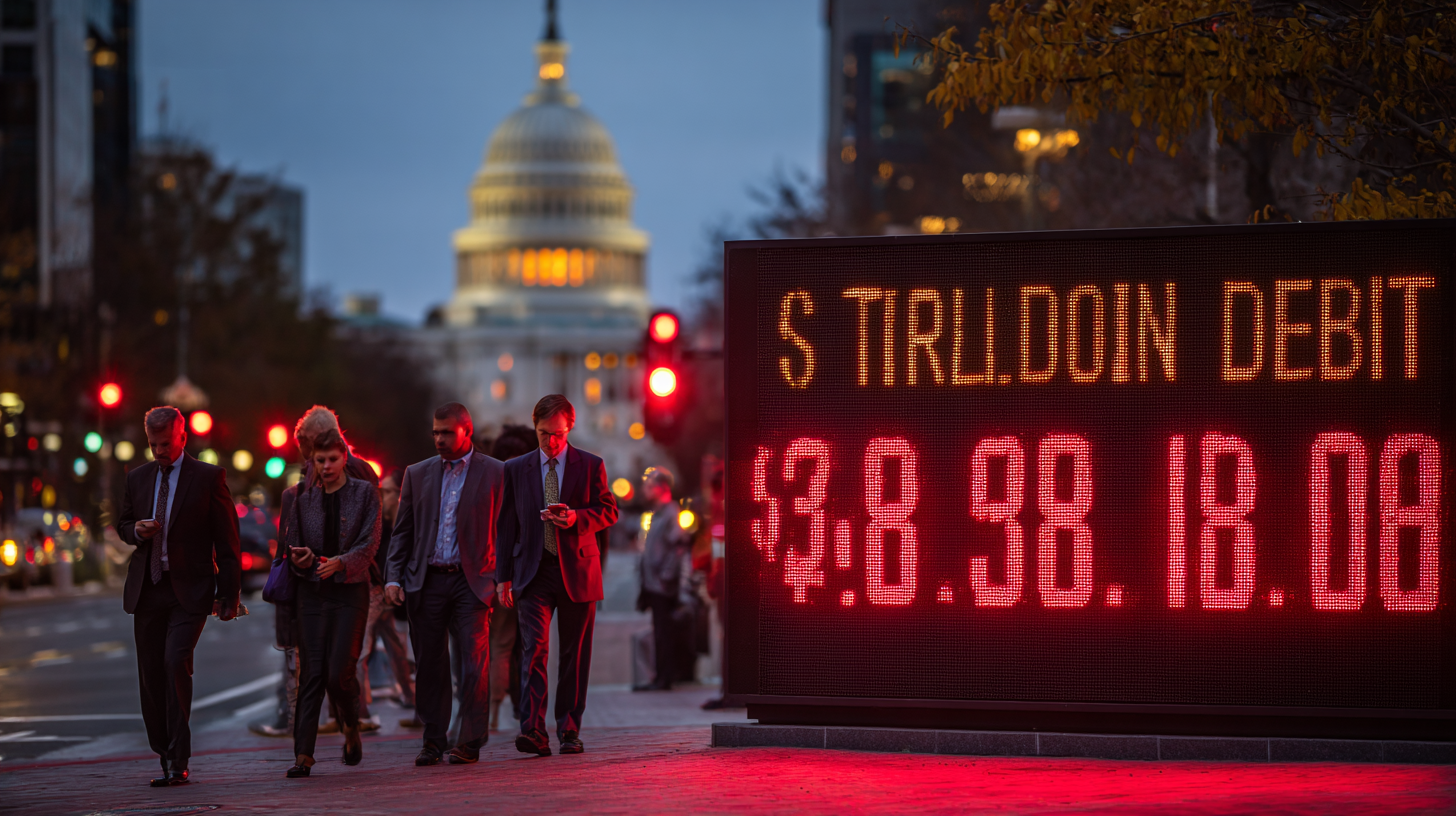
Then there’s the elephant in the room: $38.6 trillion in national debt.

When the government keeps issuing more bonds to finance deficits, someone has to buy them. If global demand softens — or even just hesitates — yields rise to attract buyers. That’s the term premium creeping back in. Translation: investors want extra pay to lend long term to a government running persistent trillion-dollar deficits.

This isn’t just bond trader trivia. The 10-year Treasury is the reference rate for everything. Mortgages. Corporate loans. Commercial real estate. When it sits north of 4%, 30-year mortgage rates stay elevated. Housing doesn’t thaw. Growth companies face higher discount rates. Private equity math gets uglier.

And here’s the uncomfortable part: the Fed can’t fix this alone.
If inflation reaccelerates because of energy shocks, the Fed can’t slash rates aggressively even if jobs weaken. If deficits stay wide, long-term yields can rise even while the Fed cuts short-term rates. That’s how you get a steepening curve driven by fiscal stress, not growth. Not ideal.
Some analysts expect the 10-year to drift toward 4.25% over the next year. That sounds modest. But psychologically, the market has shifted. A 3% 10-year now feels like ancient history. The floor has moved up.
The real question isn’t whether 4.2% is high. It’s whether this is the new normal.
If Washington keeps spending like rates are still near zero, bond investors will keep demanding a premium. And if inflation proves sticky, that premium won’t shrink anytime soon.
The 10-year Treasury isn’t just a number scrolling across CNBC. It’s a referendum. On inflation. On fiscal discipline. On economic credibility.
Right now, the verdict is cautious — and getting more expensive.
#BondMarketAlert #FiscalRealityCheck #InflationConcerns #DebtCrisisAhead #InterestRateWatch #EconomicWarning #WashingtonSpending #MarketVolatility #FinancialFuture #InvestorsDemandMore